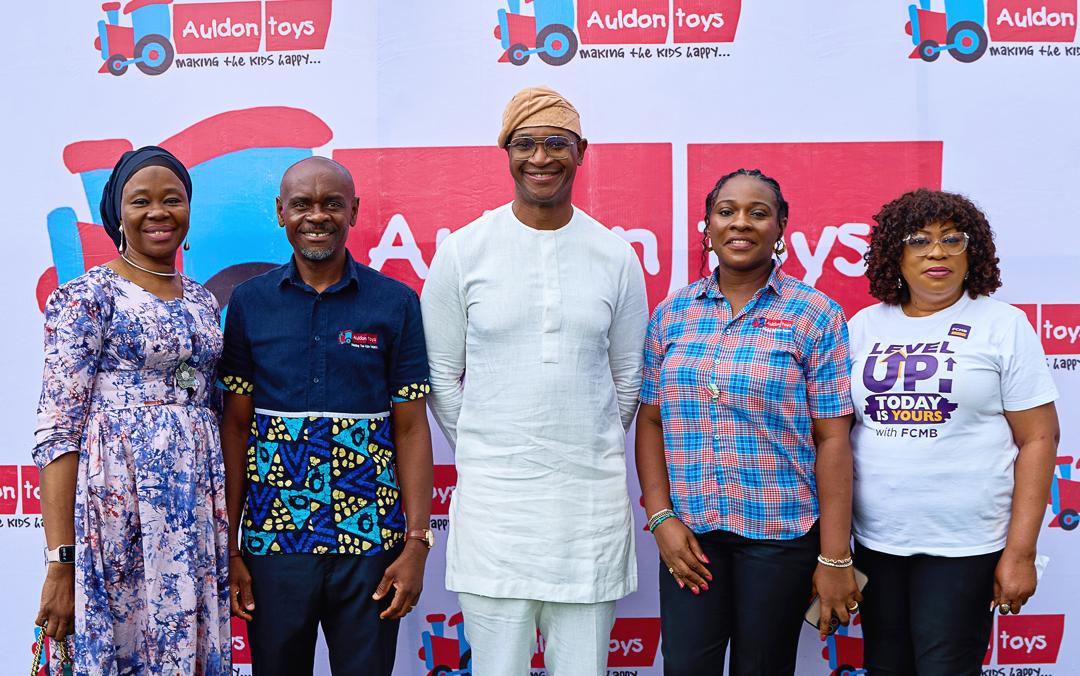
A burst of colour, noise and excitement swept through Lagos at the weekend as Auldon Toys, led by its Chief Executive Officer, Mr. Paul Orajiaka, threw open the doors of its sprawling N8 billion children’s experience centre—an audacious investment that signals a new era for Nigeria’s toy and creative learning industry.
What once began as a modest wholesale operation in Lagos markets has now transformed into a futuristic playground of ideas, imagination and innovation. The new centre, a first of its kind in West Africa, combines retail, learning, entertainment and light manufacturing under one roof, creating a world where Nigerian children can shop, build, explore and dream without limitation.
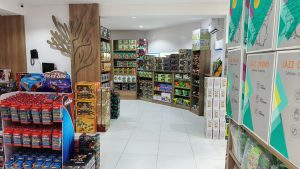
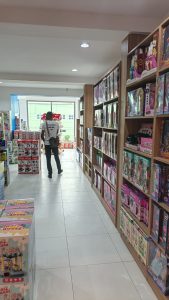
The complex houses a massive toy supermarket, a cosy family café, and interactive classrooms designed to stretch the minds of young learners. There are workshops where doll clothes are stitched by hand, assembly lines where children watch simple toys being pieced together, and dedicated technology labs for robotics, physics-inspired games and early engineering challenges.

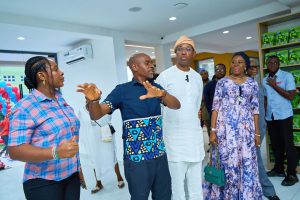
For Orajiaka, the launch is more than a business expansion—it is a personal milestone in a journey that started 27 years ago. Taking journalists through the facility, he described the centre as a “rebirth” for Auldon Toys, a shift driven by his desire to bring children closer to quality play experiences.
“Before now, we were strictly wholesale,” he said. “But Nigerian children deserve more than bulk products—they deserve an environment where play blends naturally with learning. This centre gives them that freedom to choose, interact and create.”

He disclosed that over N8 billion went into the project, calling it a testament to Auldon’s confidence in Nigeria’s creative potential. He said plans were already underway to replicate the model in major cities across the country and within the West African sub-region.
“To us, this is only the beginning. Every child, regardless of background, should handle toys that inspire learning and imagination. Poor-quality products should not limit their curiosity,” he added.
Part of Auldon’s long-term vision is to weave the centre into Nigeria’s educational ecosystem. Orajiaka revealed that the company is developing summer programmes through which schools can bring pupils for practical sessions on robotics, toy assembly, basic engineering and doll fashion design.
The goal, he explained, is to ignite curiosity early and help children build foundational STEM and creative skills.
But even this bold leap, he admitted, is shadowed by Nigeria’s harsh business landscape. With unstable power supply, the facility currently runs largely on diesel generators—an unsustainable cost that weighs heavily on operations.
He urged the government to fix structural barriers that continue to frustrate private investment, particularly reliable electricity, regulatory efficiency and affordable financing for SMEs.

“Many businesses still build their own roads, water and power systems. It shouldn’t be so. If we had cheaper funding earlier, Auldon’s growth would have been much faster,” he said.
In a show of institutional support, the Chief Executive Officer of FCMB Group, Mr. Ladi Balogun, was on hand at the unveiling. He praised Auldon Toys for daring to innovate in a sector often overlooked by investors.
Balogun described the project as a “timely demonstration of confidence in Nigeria’s creative manufacturing space,” noting that FCMB was proud to associate with a brand that has shown resilience, ingenuity and strong local value creation.
He said Auldon’s model fits perfectly into FCMB’s development strategy of backing homegrown enterprises with scalable potential. According to him, Nigeria’s entrepreneurs need more than money—they need long-term partnerships, advisory support and an enabling environment.
He reaffirmed the bank’s readiness to continue supporting SMEs in creative manufacturing, retail and light industry, insisting that such ventures are crucial to job creation and national growth.
“At the heart of this is the Nigerian child,” he said. “Any initiative that builds their confidence, sparks creativity and drives economic value deserves full backing. FCMB will continue to stand with businesses that create opportunities and transform communities.”
With its vibrant colours, humming machines and excited children pressing their faces against glass displays, Auldon’s new centre feels less like a retail outlet and more like a statement—a declaration that Nigeria’s toy and creative learning industry is ready for global attention.